
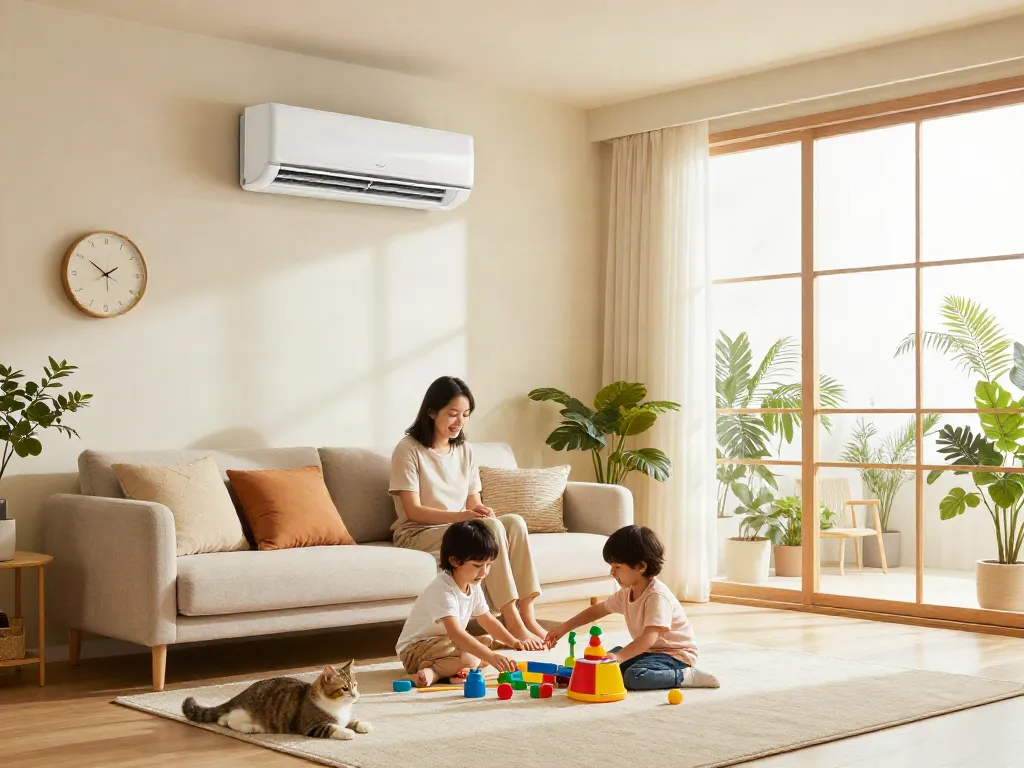
Understanding Mini Split Systems
In today's world of climate control, the importance of efficient heating and cooling systems cannot be overstated. Among various options available, mini split air conditioners have emerged as a popular choice for homeowners looking for targeted cooling solutions. They are compact, flexible, and energy-efficient, making them an ideal selection for a range of applications, from single rooms to entire homes. When exploring options, mini split systems provide comprehensive insights into air conditioning technology that caters to individualized comfort needs.
What is a Mini Split and How Does It Work?
A mini split system, also known as a ductless air conditioning system, consists of two main components: an outdoor condenser and one or more indoor air-handling units. These systems are designed to provide both heating and cooling capabilities without the need for ductwork. The absence of ducts not only simplifies installation but also enhances energy efficiency by eliminating the air loss that often occurs in traditional ducted systems.
The operation of a mini split is straightforward. The outdoor unit absorbs heat from the outside air and transfers it to the indoor unit, which then distributes the cooled or heated air throughout the room. The inverter technology used in many models allows the compressor to adjust its speed according to the cooling demands, further optimizing energy consumption.
Key Components of Mini Split Systems
- Outdoor Unit: Houses the compressor and condenser, which manage heat exchange.
- Indoor Unit: Distributes conditioned air into the living space. Units can be wall-mounted, ceiling-mounted, or floor-mounted depending on the design of the home.
- Refrigerant Lines: Copper tubing connects the indoor and outdoor units, allowing the refrigerant to circulate and transfer heat.
- Remote Control: Most mini split systems come with a remote control for convenient temperature adjustments and mode selections.
Benefits of Using Mini Split Air Conditioners
Mini split systems offer numerous advantages that appeal to a wide range of consumers. Some of the key benefits include:
- Energy Efficiency: Mini splits often achieve high SEER (Seasonal Energy Efficiency Ratio) ratings, translating to substantial energy savings on utility bills.
- Zoned Cooling/Heating: These systems allow homeowners to set different temperatures for different rooms, enhancing comfort while minimizing energy waste.
- Flexible Installation: The absence of ductwork makes mini splits ideal for retrofitting older homes and for applications where conventional systems may be impractical.
- Quiet Operation: Mini split systems operate at lower noise levels compared to central air conditioning systems, providing a quieter home environment.
Choosing the Right Mini Split for Your Home
When selecting a mini split system, several factors should be considered to ensure it meets the specific needs of your home. Understanding these factors can significantly impact your comfort and energy efficiency.
Factors to Consider When Selecting a Mini Split
- BTU Rating: It's crucial to select a unit with the appropriate BTU (British Thermal Unit) rating for the space you intend to cool or heat. A system that is too small will struggle to reach the desired temperature, while one that is too large may cycle on and off excessively, leading to higher energy costs.
- Number of Zones: Determine how many zones you need. Multi-zone systems allow for multiple indoor units connected to a single outdoor unit, providing efficient cooling and heating across several spaces.
- Installation Requirements: Assess the installation requirements, including the location of the outdoor unit and the feasibility of running refrigerant lines to the indoor units.
- Energy Efficiency Ratings: Look for systems with high SEER ratings, as they will offer better energy efficiency and lower operational costs.
Common Mistakes in Mini Split Selection
Many homeowners make common mistakes when choosing mini split systems. Here are a few to avoid:
- Underestimating BTU Needs: Failure to calculate the correct size can lead to inadequate cooling or heating, resulting in discomfort and higher energy bills.
- Ignoring Energy Efficiency: Opting for the cheapest system without considering energy efficiency can lead to increased operating costs over time.
- Neglecting Professional Installation: Poor installation can compromise the system’s efficiency. Always consider hiring professionals to ensure optimal performance.
Comparing Mini Split Brands and Models
With a variety of brands available, it’s essential to compare features and warranties. Popular brands include Mitsubishi, Daikin, and LG, each offering distinct advantages. Understand the specific needs of your space and compare the models based on energy efficiency, installation flexibility, and user reviews to find the option that best suits your needs.
Installation Guide for Mini Split Systems
Installing a mini split system can either be a DIY project or handled by professionals. The choice will depend on your skill level, the complexity of the installation, and local building codes.
DIY Installation vs. Hiring Professionals
While DIY installation can save money, it requires knowledge of HVAC systems and appropriate tools. On the other hand, hiring professionals can ensure a proper setup and often comes with warranties for labor and equipment. Evaluating your capabilities and comfort level with HVAC systems is essential for making this decision.
Steps for Successful Mini Split Installation
- Choose the right location for the indoor and outdoor units, ensuring optimal airflow.
- Mount the indoor unit, ensuring it is level and securely attached to the wall.
- Install the outdoor unit, ensuring it is elevated and free from obstructions.
- Run the refrigerant lines and electrical connections between the indoor and outdoor units.
- Test the system for leaks and ensure it operates smoothly.
Typical Costs and Timeframes for Installation
The cost of installing a mini split system can vary widely based on the brand, capacity, and complexity of the installation. On average, homeowners can expect to pay between $3,000 and $5,000 for a typical two-zone system, including equipment and installation. Most installations can be completed within a day, but larger systems may take longer.
Maintaining Your Mini Split Air Conditioner
Regular maintenance is essential to keep your mini split system running efficiently and prolonging its lifespan.
Routine Maintenance Tips for Mini Split Systems
- Clean the Filters: Indoor unit filters should be cleaned or replaced every month during the cooling season to ensure optimal airflow and efficiency.
- Check the Outdoor Unit: Remove debris and ensure the outdoor unit has adequate airflow. Inspect the refrigerant lines for any signs of wear or damage.
- Schedule Professional Maintenance: It's beneficial to have a professional HVAC technician inspect your system annually to identify and address any potential issues.
Signs That Your Mini Split Needs Repair
Being aware of the signs that indicate your mini split system may need repair can save you from significant inconveniences:
- Unusual noise during operation may suggest mechanical issues.
- Inconsistent temperatures across rooms can indicate a problem with the system's efficiency.
- Increased energy bills without a change in usage patterns may be a sign of inefficient operation.
How to Clean and Care for Your Mini Split Unit
Cleaning your mini split system is a straightforward process that can enhance its performance:
- Turn off the unit and unplug it before performing any maintenance.
- Use a soft brush or vacuum to clean the indoor unit’s filter and fins.
- Wipe down the exterior with a damp cloth to remove dust and dirt.
- If necessary, use a specialized cleaner to treat any mold or mildew issues.
Future Trends in Mini Split Air Conditioning
As technology advances, the mini split systems of tomorrow will integrate newer features and improved efficiencies.
Emerging Technologies in Mini Split Systems
New advancements are expected in mini split systems, including smart technology integration and improved inverter efficiency. Smart thermostats that allow for remote control and monitoring from mobile devices will become standard, enhancing comfort and energy management.
Sustainability and Energy Efficiency Considerations
Increasing demand for environmentally friendly solutions will drive the development of systems that use eco-friendly refrigerants and incorporate sustainable materials in their manufacturing processes.
What to Expect in Mini Split Innovations by 2026
By 2026, we can anticipate mini split systems to be even more efficient, quieter, and equipped with advanced filtration systems to improve indoor air quality. Additionally, integration with home automation systems will likely be prevalent, allowing for seamless temperature management throughout the home.
What are the disadvantages of a mini split?
Despite their many benefits, mini splits do have some disadvantages, including higher upfront costs and the aesthetic concern of indoor units. Additionally, installation complexity may deter some homeowners from opting for mini splits over traditional systems.
Are mini splits really worth it?
For many homeowners, the benefits of mini splits, such as energy efficiency and zoning capabilities, make them a worthwhile investment, especially in regions with varying climate needs.
What does a mini split usually cost?
The cost of a mini split system largely depends on the capacity, brand, and whether it is installed by professionals. Homeowners can generally expect to spend between $3,000 and $5,000 for installation.
Do mini splits work in 100 degree weather?
Yes, mini splits are designed to operate efficiently in high temperatures, making them suitable for regions that experience extreme heat. However, it is essential to ensure that the selected system is adequately sized for the space it will serve.
How long do mini split systems typically last?
With proper maintenance, mini split systems can last between 15 to 20 years, making them a long-term solution for heating and cooling needs.