
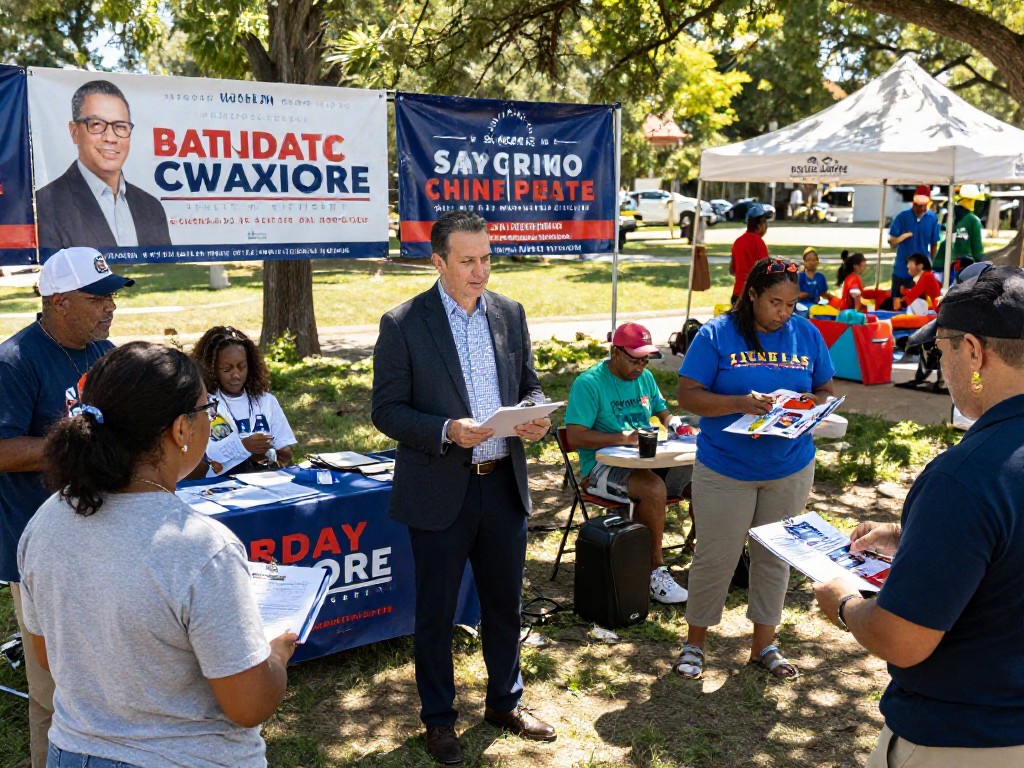
The Importance of Data in Mayoral Campaign Marketing
In today's digital age, where information reigns supreme, the foundation of any successful mayoral campaign lies in data. Understanding the intricate web of voter demographics, behaviors, and preferences enables candidates to create tailored strategies that resonate with their constituents. With the rise of technology and data analytics, the way campaigns are conducted has transformed, making it imperative for candidates to start their journey with the right data. When exploring options, mayoral campaign marketing can provide comprehensive insights into voter engagement and targeting strategies.
Understanding Voter Demographics and Behaviors
To effectively target voters, campaigns must first understand who they are. This involves analyzing various demographics such as age, gender, ethnicity, income levels, and education background. For instance, younger voters may respond better to digital marketing campaigns, while older generations might prefer traditional methods such as direct mail or town halls.
Collecting and interpreting this data allows campaigns to segment their audience into specific groups, ensuring that messaging is relevant and tailored. A comprehensive understanding of voter behavior—such as voting history, party affiliation, and key issues—enables campaigns to craft messages that speak directly to the concerns and interests of different voter segments.
Utilizing Voter Data for Strategic Targeting
Once demographic insights are established, the next step is leveraging voter data for strategic targeting. Utilizing sophisticated voter files provides campaigns with detailed information that can enhance outreach efforts. By accessing updated voter files specific to their district, candidates can identify potential supporters and tailor their messaging accordingly.
Effective targeting also involves understanding voter motivations and the issues that matter most to them. For example, data may reveal that a significant portion of voters is concerned about public safety. In this case, campaigns can focus on presenting solutions and policies that address these concerns, making the campaign more relevant and engaging to the target audience.
Incorporating Data into Campaign Messaging
A critical aspect of successful mayoral campaign marketing is the incorporation of data into campaign messaging. Utilizing insights from voter data enables candidates to create compelling narratives that resonate with their audience. This means framing campaign messages to align with the values, experiences, and interests of constituents.
Moreover, data-driven messaging can enhance the authenticity of a campaign. When candidates convey that they understand their voters' concerns through relatable stories and statistics, they foster trust and credibility. This authenticity can be vital in motivating voters to engage and participate in the voting process.
Effective Digital Strategies for Mayoral Campaigns
As the world pushes further into a digital-first era, employing effective digital strategies is essential for mayoral campaigns. This includes leveraging social media platforms and digital content to engage with voters dynamically and personally.
Leveraging Social Media for Voter Engagement
Social media platforms such as Facebook, Twitter, and Instagram offer a unique opportunity for candidates to connect with voters on a personal level. These platforms are crucial for disseminating campaign messages, sharing updates, and fostering community engagement. Regular posts, interactive content, and direct responses to voter inquiries help build a robust online presence.
Moreover, social media is also a powerful tool for micro-targeting specific voter segments based on interests and behaviors. Campaigns can analyze engagement metrics to refine their strategies continually, ensuring that messaging remains relevant and impactful.
Designing an Impactful Campaign Website
A well-designed campaign website serves as a central hub for all campaign information. It should not only provide details about the candidate's platform but also facilitate engagement through sign-up forms, donation capabilities, and event registration. Additionally, incorporating SEO best practices into the website's design ensures that it ranks well in search engines, making it more accessible to potential supporters.
Content on the campaign site should be optimized for both search visibility and user experience. Including blog posts, video content, and voter resource materials can keep the audience informed and engaged while also improving the site’s search engine ranking.
SEO Tactics to Boost Campaign Visibility
Search Engine Optimization (SEO) is essential for increasing campaign visibility online. This involves optimizing website content for relevant keywords, such as "mayoral candidate" or "local election issues," to ensure that the site ranks higher in search results. Utilizing local SEO strategies, like registering with Google My Business, can also enhance the campaign's local presence.
In addition to keyword optimization, backlinks from reputable sources can elevate a campaign's credibility and visibility. Regularly updating content and ensuring that all information is accurate further contribute to a positive online reputation, essential for attracting voters.
Building a Comprehensive Marketing Plan
To maximize the effectiveness of a mayoral campaign, creating a comprehensive marketing plan that integrates both online and offline techniques is crucial. This holistic approach ensures that candidates reach voters through multiple channels, enhancing engagement and outreach.
Integrating Online and Offline Campaign Techniques
The intersection of online and offline techniques can significantly enhance a campaign’s overall impact. While digital strategies are essential, traditional methods such as canvassing, town halls, and community events remain vital for building relationships with constituents.
Combining these techniques allows campaigns to meet voters wherever they are. For instance, a campaign can utilize online data to identify neighborhoods to canvas, ensuring that outreach efforts are both efficient and targeted. Additionally, in-person events can be promoted through social media, driving both engagement and attendance.
Creating a Budget-Friendly Campaign Marketing Strategy
Effective budgeting is crucial for any campaign. Candidates should start by outlining their goals and identifying key expenditures. Using data-driven insights, campaigns can allocate resources more effectively, ensuring that funds are spent on strategies that yield the highest return on investment.
Utilizing free or low-cost marketing tools, such as social media platforms and community forums, can supplement paid advertising efforts and help maintain budget integrity. Tracking and analyzing campaign expenditures continually allows for adjustments as needed, ensuring that funds are allocated where they are most effective.
Setting Clear Objectives and Campaign Goals
Defining clear objectives and goals is fundamental to a successful campaign. This includes setting measurable targets, such as voter outreach numbers, fundraising goals, and engagement metrics. Regularly reviewing these objectives helps campaigns stay on track and make necessary adjustments in strategy and execution.
Moreover, establishing a timeline for achieving these objectives creates accountability and ensures that all team members are aligned toward common goals. This structured approach can enhance focus and drive measurable results throughout the campaign.
Real-World Examples of Successful Mayoral Campaigns
Analyzing successful mayoral campaigns in recent years provides valuable insights into effective strategies and tactics. These case studies highlight the importance of data-driven decision-making and innovative marketing approaches.
Case Study: Groundbreaking Campaign Tactics
One notable campaign utilized advanced data analytics to identify and engage undecided voters. By harnessing voter behavioral data, the campaign tailored messages that resonated specifically with this group, ultimately leading to a significant increase in voter engagement and turnout.
This case exemplifies how utilizing comprehensive voter data can enhance campaign effectiveness, illustrating the critical role of data in informing strategic decisions and campaign tactics.
Lessons Learned from Recent Elections
Analyzing recent election outcomes reveals several key lessons for aspiring candidates. For instance, the importance of mobilizing volunteers and fostering community involvement cannot be overstated. Campaigned with grassroots initiatives often see higher turnout rates, as these efforts create a sense of ownership and investment in the election outcome.
Additionally, campaigns that maintained transparency and open communication with their constituents tended to foster stronger voter trust, directly impacting voter engagement and support.
How Data-Driven Strategies Led to Success
Successful campaigns leveraged data-driven strategies to inform every step, from voter targeting to message development. By analyzing feedback and engagement metrics, these campaigns refined their approaches continually, ensuring that their messaging remained relevant and impactful.
This adaptive strategy highlights the necessity of using data to inform decision-making throughout the campaign process, underscoring its role as a foundational component of successful mayoral campaign marketing.
Future Trends in Mayoral Campaign Marketing for 2026
As we look forward to the 2026 election cycle, several emerging trends in mayoral campaign marketing are set to shape the landscape. These trends highlight the continuing evolution of campaign strategies and the growing importance of technology and data analytics.
Emerging Technologies Impacting Campaign Strategies
The rise of AI and machine learning is transforming how campaigns analyze voter data and predict behaviors. These technologies enable more sophisticated targeting and personalization, allowing campaigns to engage voters in more relevant ways.
Additionally, advancements in predictive analytics will allow campaigns to anticipate voter preferences and trends, giving candidates a competitive edge in their outreach efforts.
Shifts in Voter Engagement Preferences
Voter engagement preferences are shifting, with an increasing emphasis on digital communication and interactive experiences. Candidates will need to adapt to these changes by exploring innovative ways to connect with voters, such as virtual town halls or interactive content on social media platforms.
Understanding these shifts will be crucial for campaigns striving to maintain relevance and engagement throughout the election cycle.
Predictions for Political Marketing Outcomes
As data analytics and technology continue to evolve, political marketing outcomes are expected to become more data-driven, personalized, and effective. Campaigns utilizing comprehensive voter data and analytics will likely achieve higher engagement rates, leading to increased voter turnout and support.
Furthermore, as voter concerns evolve, campaigns that remain adaptable and responsive to these changes will position themselves for success in the future political landscape.
What are the best practices in mayoral campaign marketing?
- Leverage comprehensive voter data for targeted outreach.
- Utilize a multi-channel marketing strategy.
- Incorporate clear objectives and track progress regularly.
- Experiment with innovative digital engagement techniques.
- Maintain transparency and open communication with constituents.
How can data analytics improve my campaign's success?
- Data analytics helps identify key voter segments and preferences.
- It aids in crafting targeted messaging based on voter behavior.
- Analytics provide insights for adjusting strategies in real-time.
- It enhances resource allocation for maximum impact.
What role does social media play in political campaigns?
- Social media facilitates direct communication with voters.
- It allows for real-time engagement and feedback.
- Social media is essential for brand building and awareness.
- It enables targeted advertising to specific voter demographics.
How to effectively budget for a mayoral campaign?
- Establish clear objectives and prioritize expenditures.
- Monitor and adjust spending based on campaign performance.
- Utilize cost-effective marketing strategies, such as social media.
- Engage volunteers to minimize labor costs.
What are common misconceptions in political marketing?
- Assuming traditional marketing methods alone are sufficient.
- Oversimplifying voter demographics and behaviors.
- Neglecting the importance of data in strategy formulation.
- Believing that high expenditures guarantee campaign success.