
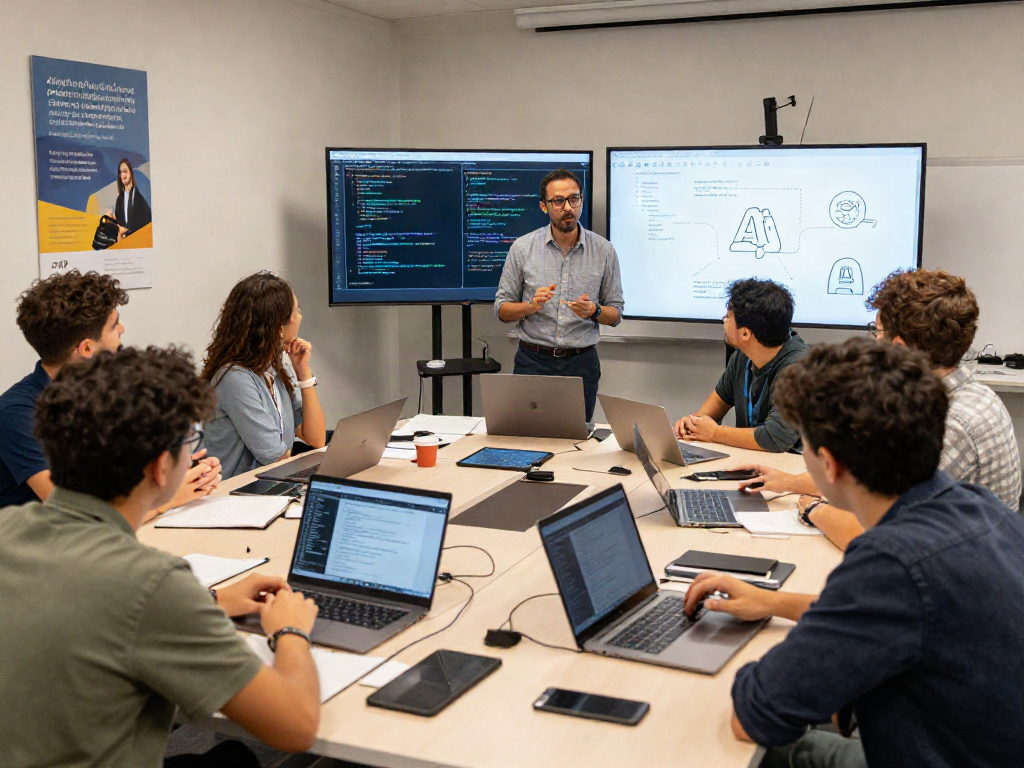
Understanding AI: Essentials for Adult Learners
Artificial Intelligence (AI) is rapidly transforming the landscape of many industries, making it an essential subject for adults seeking to enhance their careers. As technology continues to evolve, understanding AI becomes more crucial, particularly for those in the workforce who are eager to adapt to the changing demands of their roles. By acquiring AI skills, adult learners can not only remain relevant in their fields but also gain a competitive edge. When exploring options, ai 18+ provides comprehensive insights into how adults can effectively learn and apply these technologies to elevate their professional capabilities.
What is AI and Why Does it Matter?
At its core, Artificial Intelligence involves the simulation of human intelligence processes by machines, particularly computer systems. These processes include learning, reasoning, and self-correction. AI technologies are becoming ubiquitous in our daily lives and workplaces, influencing everything from customer service to complex decision-making processes. The importance of AI lies in its ability to analyze vast amounts of data quickly and derive insights that can lead to improved efficiency and innovation. For adult learners, grasping AI concepts is not just about understanding technology; it's about embracing a tool that can enhance productivity and facilitate better decision-making.
The Growth of AI in the Workforce
The rise of AI in various sectors has led to a notable shift in job requirements. Many industries are integrating AI to automate routine tasks, which transforms the nature of work and the skill sets needed. Research shows that by 2026, an estimated 97 million new roles may emerge from the evolving AI landscape, particularly in fields like data analysis, machine learning, and AI ethics. This growth underscores the need for adult learners to acquire AI skills to ensure they can adapt to new opportunities and challenges in the workforce.
AI 18+: Benefits for Adult Education
The AI 18+ initiative is tailored specifically for adult learners, recognizing the unique challenges they face in education. One of the primary benefits of engaging with AI education is the flexibility it offers. Adults can learn at their own pace and tailor their education to fit their busy schedules. Additionally, AI education can enhance critical thinking and problem-solving skills, equipping learners with tools to approach real-world issues effectively. Furthermore, this initiative promotes a supportive learning environment, where adults can collaborate and share insights, enriching the educational experience.
Overcoming Challenges in Learning AI
Common Misconceptions About AI Learning
Despite its growing presence, there are several misconceptions surrounding AI and its learning process. Many believe that AI is solely for those with a technical background, which is far from the truth. In reality, AI encompasses various fields, and individuals from diverse backgrounds can find relevance in its applications. Another common myth is that AI is too complex for adult learners to grasp. However, with the right resources and a structured approach, anyone can learn AI foundational concepts and applications, regardless of their prior experience.
Time Management Strategies for Busy Adults
One of the most significant barriers adults face is managing time effectively while juggling work, family, and education. To overcome this, adults can implement various time management techniques such as time blocking, where specific hours are set aside for learning. Additionally, prioritizing tasks based on deadlines and importance can help keep educational goals on track. Utilizing tools like digital calendars and reminder apps can serve as effective aids in maintaining a consistent learning schedule.
Finding the Right Learning Resources
The availability of online resources has made learning AI more accessible than ever. However, with the abundance of options, it can be challenging to identify the best resources. Adults should look for reputable platforms offering structured courses in AI that cater to their learning styles. Websites like Coursera, edX, and LinkedIn Learning provide a plethora of courses covering various AI topics from beginner to advanced levels. Engaging in forums and online communities can also provide valuable recommendations and insights.
Best Practices for Engaging with AI Technologies
Hands-On Learning Approaches
To effectively learn AI, a hands-on approach is often the most beneficial. This can include projects that apply theoretical knowledge to practical challenges. For instance, using datasets to build machine learning models or participating in hackathons can provide invaluable experience. Many online platforms offer guided projects that allow learners to practice their skills while receiving feedback from instructors.
Collaborative Projects in AI
Collaboration enhances the learning experience by exposing adult learners to diverse perspectives and ideas. Working on group projects can help consolidate knowledge and foster deeper understanding. Engaging in collaborative initiatives, such as community-driven AI projects, can also provide networking opportunities and real-world experience, which are essential for career advancement.
Leveraging Online Communities and Forums
Online communities and forums dedicated to AI learning offer a wealth of knowledge and support for adult learners. Participating in discussions, asking questions, and sharing experiences can facilitate learning. Websites like Reddit or specialized AI forums allow for interaction with industry professionals and fellow learners, making them invaluable resources for real-time engagement and problem-solving.
Real-World Applications of AI Skills
Case Studies: Successful AI Projects by Adult Learners
Many adult learners have successfully applied AI skills in their careers, showcasing the practical benefits of their education. For example, an adult learner in the healthcare industry developed an AI tool to predict patient outcomes, significantly improving treatment plans. Such case studies highlight how acquired AI knowledge can lead to innovative solutions and drive organizational success, encouraging others to embark on their AI learning journeys.
Industries Seeking AI Skills in 2026
As the landscape of work continues to evolve, certain industries are projected to have a higher demand for AI skills. Sectors such as healthcare, finance, and manufacturing are leading the way in integrating AI technologies. In 2026, roles related to AI ethics, machine learning engineering, and data science are expected to flourish, offering immense opportunities for adult learners to leverage their skills in meaningful ways.
Building a Portfolio with AI Projects
Creating a portfolio that showcases AI projects is crucial for adult learners aiming to stand out in a competitive job market. Documenting projects, including the problem statement, methodologies, and results, provides tangible evidence of skills and knowledge. This portfolio can be instrumental during job applications or interviews, demonstrating practical experience and a proactive approach to learning.
Future Trends in AI Education
Upcoming Developments in AI Technologies
AI technology is rapidly advancing, with developments such as explainable AI and automated machine learning gaining traction. As these technologies evolve, educational programs will need to adapt to incorporate current trends. For adult learners, staying informed about these advancements is vital to ensure that their skills remain relevant and in demand.
The Role of Lifelong Learning in AI Adaptation
Lifelong learning is becoming increasingly important in the context of AI. As technologies continue to evolve, professionals must commit to ongoing education to adapt to changes in their fields. This mindset not only fosters personal growth but also ensures that individuals remain competitive in their careers. Many organizations encourage such an approach, offering continuous learning opportunities to their employees.
Preparing for AI Careers in 2026 and Beyond
To prepare for careers in AI by 2026, adult learners should focus on acquiring a combination of technical and soft skills. Understanding programming languages like Python and R, alongside developing skills in data analysis and critical thinking, will be essential. Furthermore, cultivating soft skills such as communication and teamwork will enhance collaboration in increasingly interdisciplinary environments.
What are the prerequisites for learning AI as an adult?
While there are no strict prerequisites for learning AI, having a foundational understanding of mathematics and programming can be beneficial. Familiarity with statistics, calculus, and coding languages will provide a solid base for diving into more complex AI concepts.
How can I integrate AI skills into my current career?
Integrating AI skills into an existing career involves identifying areas in your current role where AI can enhance efficiency or decision-making. This might mean automating routine tasks, analyzing data for actionable insights, or even advocating for AI tools within your organization.
Where can I find resources for online AI courses?
Numerous platforms offer online AI courses, including Coursera, edX, and Udacity. These courses often feature collaborative projects and community support, promoting a well-rounded learning experience. Additionally, many universities provide online programs that cater specifically to adult learners.
What are the most common applications of AI in the workplace?
AI is used across various domains in the workplace, including customer service automation, predictive analytics for sales, and enhancing cybersecurity measures. Understanding these applications can help adult learners identify how they might leverage AI in their roles.
How will AI job roles evolve in the next few years?
The evolution of AI job roles will likely see a shift towards a greater emphasis on ethical considerations and interdisciplinary collaboration. Roles that combine AI expertise with domain-specific knowledge will become increasingly important as organizations aim to navigate the complexities of AI implementation responsibly.